
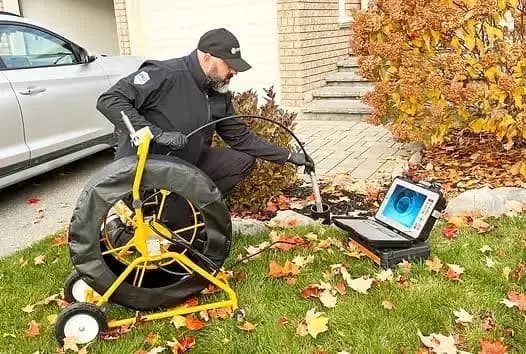
Sewer Camera Inspection in Tupelo, MS
A direct visual look inside the sewer line before deciding on any repair.
A sewer line runs underground, out of sight, which makes it one of the hardest parts of a home's plumbing to diagnose by guesswork. A sewer camera inspection provides a direct visual view inside the accessible portion of the line, helping identify problems that cannot be confirmed reliably from symptoms alone.
How a Sewer Camera Inspection Works
A waterproof camera, mounted on a flexible cable, is fed through an accessible cleanout or drain opening and guided through the line. The camera transmits a live video view as it travels, letting the plumber see the actual condition of the pipe's interior in real time rather than relying on symptoms alone.
What a Camera Inspection Can Reveal
- Blockages and buildup along the pipe wall
- Tree root intrusion at joints or cracks
- Cracks and fractures in the pipe material
- Misaligned or separated joints
- Collapsed or partially collapsed sections
- General pipe material and condition, including signs of aging
When a Camera Inspection Is Useful
- A drain keeps clogging in the same place despite being cleared
- Multiple fixtures are slow or backing up and the cause isn't obvious from the surface
- A wet spot, unusual growth, or odor in the yard suggests a line problem
- Confirming a line's condition before deciding between repair and replacement
- A 'before' look ahead of hydro jetting or drain cleaning on a line with an unknown history
Limitations of a Camera Inspection
A camera can only travel through accessible, navigable sections of pipe — a severe blockage, a fully collapsed section, or an inaccessible access point can limit how much of the line is actually seen in a single pass. A camera inspection is a diagnostic tool, not a guarantee that every possible issue in a line has been found; it's the most direct way to confirm what's visible, not an exhaustive certification of the entire system's condition.
Buying or Selling a Home With an Older Sewer Line
Standard home inspections generally focus on what's visible and accessible inside the home — underground sewer line condition typically isn't something a general inspection evaluates. A separate camera inspection gives a direct look at the line's actual condition before a sale closes, which can surface a problem that wouldn't otherwise show up until it became a bigger issue after move-in. The inspection provides information about the line's current condition — it doesn't guarantee how the line will perform in the future, especially for an older line nearing the end of its typical service life.
Does It Damage the Pipe?
A sewer camera inspection is a diagnostic procedure rather than a repair method. The camera is designed to travel through the accessible sewer line to provide a visual view of its interior without affecting the pipe itself.
After the Inspection
What happens next depends on what the camera shows. Buildup or a recurring clog with no structural issue may point toward hydro jetting. If the inspection identifies a crack, misalignment, root intrusion at a joint, or a collapsed section, the next step is typically a sewer line repair or replacement assessment based on what was actually found.
Frequently Asked Questions
What does a sewer camera inspection find?+−
Blockages, buildup, tree root intrusion, cracks, misaligned joints, and collapsed or partially collapsed sections of pipe.
Do I need a camera inspection before hydro jetting?+−
Not always, but it's common, especially when the cause of a recurring clog isn't already known or the pipe's condition is uncertain.
Should I get a sewer camera inspection before buying a house?+−
It's worth considering for any home with an older sewer line, since standard home inspections typically don't evaluate underground sewer line condition.
Will the inspection damage my pipes?+−
No — it's a diagnostic procedure. The camera is designed to travel through the line to provide a view of its interior without affecting the pipe.
Can a camera inspection see the entire sewer line?+−
It can see accessible, navigable sections of the line. A severe blockage or collapsed section can limit how much of the line is visible in a single pass.
What happens after a camera inspection?+−
It depends on what's found — buildup with no structural issue may point toward hydro jetting, while a crack, misalignment, or collapsed section typically points toward sewer line repair.
Does a camera inspection guarantee there are no other problems in the line?+−
No — it confirms what's visible in the accessible sections inspected, not an exhaustive certification of the entire line's condition.